Cement Pouring Service
Affordable Cement Pouring
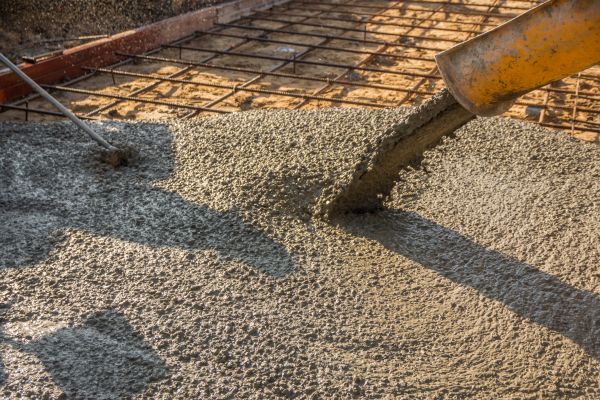
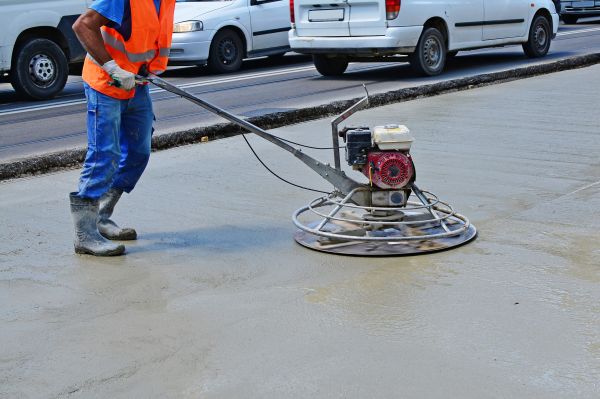
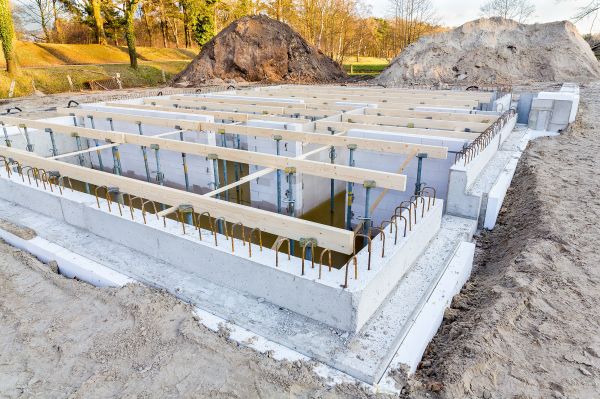
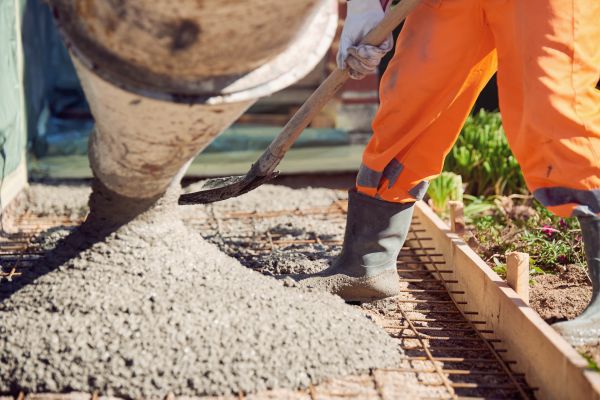
Cement pouring, also known as concrete pouring, is a crucial process in construction and building projects. It involves the careful mixing, placement, and finishing of concrete to create strong and durable structures. The importance of cement pouring cannot be overstated, as it lays the foundation for buildings, bridges, roads, and various other infrastructures. Proper cement pouring ensures the longevity and stability of these structures, making it a vital step in any construction project.
Benefits of Cement Pouring
-
Durability and Strength
Cement pouring results in concrete structures that are highly durable and capable of withstanding significant weight and pressure. This strength is essential for the safety and longevity of buildings and infrastructure, ensuring they remain functional and secure over time. -
Versatility
Cement can be poured into various shapes and forms, making it incredibly versatile for different construction needs. Whether it's a foundation, a wall, or a decorative element, cement pouring can be adapted to meet the specific requirements of a project. -
Cost-Effectiveness
While the initial investment in cement pouring may seem significant, the long-term benefits of reduced maintenance and repair costs make it a cost-effective choice. The durability and low upkeep requirements of concrete structures result in savings over time. -
Energy Efficiency
Concrete has excellent thermal mass properties, which can help regulate indoor temperatures and reduce energy consumption for heating and cooling. This energy efficiency contributes to a more sustainable and environmentally friendly construction approach.
FAQs About Cement Pouring
What is the best weather for cement pouring?
Cement pouring is ideally done in moderate weather conditions, avoiding extreme heat or cold. Temperatures between 50°F and 70°F are generally considered optimal for curing.
How long does it take for poured cement to cure?
Cement typically takes 24 to 48 hours to set and about 28 days to fully cure. However, the curing time can vary based on environmental conditions and the specific mix used.
Can cement pouring be done in the rain?
Pouring cement in the rain is not recommended as it can affect the concrete's strength and finish. It's best to wait for dry conditions or take measures to protect the pour from moisture.
How thick should a concrete slab be?
The thickness of a concrete slab depends on its intended use. For residential driveways, a thickness of 4 to 6 inches is common, while commercial projects may require thicker slabs.
Fill out the contact form today to request professional Cement Pouring services and experience the benefits of durable, versatile, and energy-efficient construction!