Concrete Pouring Service
Affordable Concrete Pouring
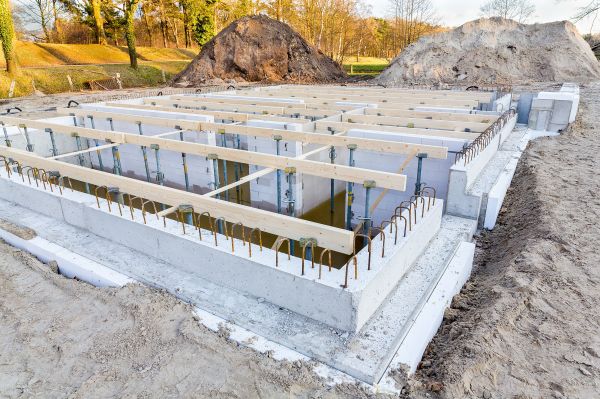
Concrete pouring is a critical step in many construction projects, serving as the foundation for everything from residential driveways to towering skyscrapers. This process involves the careful mixing, pouring, and setting of concrete to create a solid, durable surface that can withstand various environmental conditions and support significant weight. The importance of concrete pouring cannot be overstated, as it ensures the structural integrity and longevity of any construction project, providing a stable base that is essential for safety and functionality.
Benefits of Concrete Pouring
-
Durability
Concrete is renowned for its exceptional durability, making it an ideal choice for structures that need to withstand the test of time. Once poured and set, concrete can resist weathering, erosion, and natural disasters, ensuring that buildings and pavements remain intact for decades. -
Versatility
The versatility of concrete is unmatched, as it can be molded into virtually any shape or form. This flexibility allows architects and builders to create unique and complex designs, catering to various aesthetic and functional requirements. Whether for a minimalist patio or an intricate architectural feature, concrete can be adapted to fit the vision. -
Cost-Effectiveness
Compared to other building materials, concrete is relatively cost-effective, providing excellent value for its strength and longevity. Its low maintenance requirements further enhance its cost-effectiveness, as it reduces the need for frequent repairs or replacements over time. -
Energy Efficiency
Concrete's thermal mass properties contribute to energy efficiency in buildings. It can absorb and store heat during the day and release it at night, helping to regulate indoor temperatures and reduce reliance on heating and cooling systems, which can lead to energy savings.
FAQs About Concrete Pouring
What is the best time of year to pour concrete?
Concrete pouring is ideally done in mild weather conditions, typically during spring or fall. Extreme temperatures, either hot or cold, can affect the curing process and the final strength of the concrete.
How long does concrete take to set?
Concrete typically takes 24 to 48 hours to set sufficiently for walking on, but it can take up to 28 days to reach its full strength. The curing process is crucial and should not be rushed to ensure optimal durability.
Can concrete be poured in the rain?
Pouring concrete in the rain is not recommended, as excess water can weaken the mix and affect the curing process. If rain is forecasted, it’s best to delay the pour or take precautions to protect the area.
How thick should a concrete slab be?
The thickness of a concrete slab depends on its intended use. For residential driveways, a thickness of 4 to 6 inches is common, while commercial projects may require slabs of 6 to 8 inches or more to support heavier loads.
Ready to experience the benefits of professional concrete pouring? Fill out the contact form today to request a consultation and take the first step toward a durable, versatile, and energy-efficient construction project.